
Contents
Caring for antique jewellery and gemstones can become very difficult because we wear jewellery as we move around.
This places your jewellery and gemstones at great risk from accidental damage or loss unless special care is taken.
Fragile gemstones or crystal beads can shatter if hit against a harder surface.
A soft 18ct gold ring wears paper thin if it's worn constantly.
Particularly if your ring is worn next to another ring made of a harder metal.
Your asking for trouble, in the form of damage or loss, if you wear your antique jewellery and gemstones while doing the housework or other domestic work.
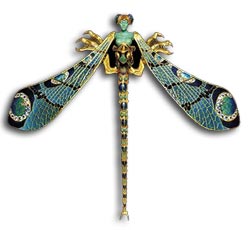
- A diamond will not be harmed by immersing it in hot water, but it could split if knocked hard
- Emeralds, sapphires, aquamarines and opals can shatter on exposure to water that is only hand-hot
- The colour of stones such as topaz and turquoise will change with prolonged exposure to strong light
- Opals chip and crack very easily when exposed to heat
- Pearls may lose their lustre and yellow and darken if they get too dry
- Ivory is particularly prone to cracking in heat, sunlight or a dry atmosphere, or if it gets wet
- Costume jewellery is often made from base metals such as brass and copper and may corrode
- Simulated stones can fade gradually over time
To guard against losing your antique jewellery and gemstones, regularly check that chain links, fastenings and settings are secure.
The constant opening and closing weakens clasps and sharp edges on beads fray the thread on which they are strung.
- If a pearl necklace is worn a great deal the lustre is said to improve as pearls absorb natural oils from the skin. But it should be checked about every six months and professionally re-strung with strong purpose made necklace thread. Knot between each pearl to prevent the beads rubbing and to guard against the pearls scattering if the thread breaks.
- Pin heavy brooches into material that is sturdy enough to take the weight. If necessary, pin into the strap of an undergarment and consider having safety chains fitted.
- Always apply your hairspray and perfume before putting on your jewellery as these substances contain alcohol or chemicals that act as solvents or chemical re-agents on some materials, including gold plate, mother of pearl, amber, jet, coral and porous gemstones such as turquoise, opals and pearls.
Storing your antique jewellery and gemstones.
Avoid mixing different types of jewellery in one box.
Many materials used in antique jewellery; ranging from precious stones, glass and jade to shell cameo, ivory and enamel, may become chipped if they are kept jumbled up with other harder materials;
A hard sharply cut gemstone, like a diamond, will scratch gold, silver and softer precious stones.
Necklaces and strings of beads can be hung or wound around a roll of acid free paper to prevent tangling.
Otherwise keep each item in its own box, or wrap it separately in clean acid free tissue or soft pure cotton or a linen cloth.
Tips on cleaning your antique jewellery and gemstones.
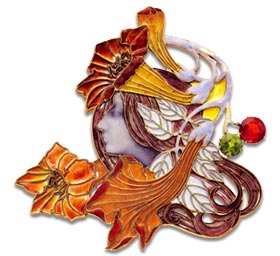
Knowing what materials are in a piece of antique jewellery is vital before any cleaning process is undertaken, so check with a professional jeweller who works with antique pieces.
Any ancient jewellery should only ever be cleaned professionally as age and the softer metals used make it very fragile.
Porous gemstones like opals and pearls should never be immersed in water as they will lose their natural lustre.
These and most other items, including most metal jewellery can be gently buffed with a soft jeweller’s cloth, or wiped gently with slightly damp chamois leather.
Remember that plated and rolled gold will wear if rubbed too much and on no account should the matt finish gold found on some 19thC. jewellery be polished.
If a necklace or bracelet gets wet the thread will shrink and eventually rot.
As long as the beads are water resistant they can be cleaned individually with slightly dampened cotton buds.
Enamel is very delicate and should only be dusted gently or blown clean.
Ivory too should only be cleaned with a dry, soft bristled brush as it absorbs water and stains To have ingrained dirt removed go to an expert.
Gemstones in a closed setting should not be allowed to get wet as water may lodge behind the stones and trigger corrosion, or weaken any adhesive.
Clean them instead with a cotton bud dipped in pure clear alcohol, then rinse and dry with new cotton buds.
If you are 100% sure that an expensive piece of antique jewellery can safely be immersed in water, do not risk losing it forever by washing it over an open sink or plughole.
Instead put some lukewarm water with a few drops of mild or non-ionic detergent in a small bowl.
Place this on a tray with raised edges and cover it with a towel or cloth.
Immerse your jewellery in the water and very gently ease out the dirt with a soft bristled brush or for stubborn grime in small areas, use a wooden cocktail stick. Then rinse the jewellery in a separate bowl of clear water and allow it to dry naturally on a piece of absorbent kitchen towel.
Cameos, jet, gold and silver items can all be cleaned in this way.
Repairs and Restoration on Antique Jewellery & Gemstones ... Jewellery repairs should always be carried out by a reputable jeweller who is used to working with antiques, and should be combined with an overall check of the settings and clasps.
If you want to try and glue an item of jewellery yourself (a hard gemstone for example) remove any old adhesive first and remember that the repair won't be easily reversed if you have to take it to a jeweller at a later date.
Leave a Reply
You must be logged in to post a comment.